On Finishing Things
6 marzo 2026
Recently I have published two very different projects. One is the demo for Imago Season, a narrative RPG which is my biggest solo game to date (please help me by wishlisting!). The other is a very short entry for a David Lynch-inspired jam. Both have received a good deal of attention and I'm getting very encouraging feedback to press on. It feels good!
Years ago, when I began to publish my little games online, I managed to get a really nice cadence of releasing projects. The feedback loop of making something small for a game jam, getting people to play it and being inspired to work on the next one was addictive. Alas, then life happened and I had to slow down considerably. I've never stopped working on my own projects, but the last years have felt like slowly chipping away at a big rock, while before I was running a series of short sprints. Releasing a project became an obstacle to overcome instead of a victory lap after the work is done.
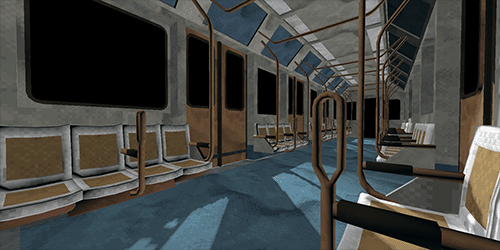
One of the most important skills you have to develop as a creative (or as anyone doing any kind of hobby work, really) is the ability to sit down and finish the thing. The beginning of a project is always the easiest. You can have the wacky ideas, you can plan how big and fun and great your game is going to be. The middle is often boring. Faced with the reality of routine, actually making the content for the game can become a slog, especially if you have only a few minutes to spare each day. The ending is crushing. If you haven't planned carefully (and it's almost impossible to do so) you'll find yourself fixing bugs, polishing the UI and working on all sort of things you didn't really think about at the last minute. With projects taking longer, the emotional reward of receiving feedback fades, and you are left with only the boring parts for a long time.
Many people struggle to keep working on their stuff as soon as they hit The Middle. Unless you have an economic incentive to keep working, it's so easy to get distracted by new, enticing ideas. This results in a cadre of developers who keep restarting projects, never to release anything. For those of us who are too stubborn to stop at this point, I think that the natural reaction is to clench our teeth and focus on the finished product. Surely all the effort is worth it if the game turns out cool at the end, right? This line of thinking is brain-poison, IMO. You will burn out as unexpected obstacles arise and the ending moves inexorably away towards the future. You have to keep the finished object in mind for a variety of reasons, but it cannot be the only motivator. Release day is only one more day of work, and you'll probably spend it squashing bugs.
So, what can we do? Allow me to share some advice for what works for me, as someone who has trudged through hobby projects for years while I worked on Big Games at my day job:
Make smaller things!
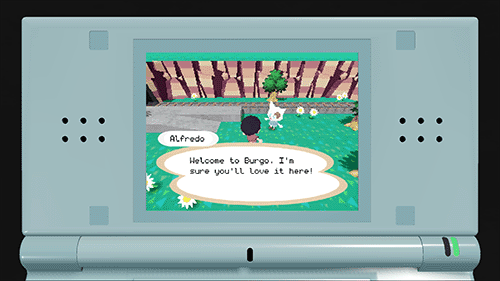
This one is obvious, but listen. Smaller means really small. If you plan a ten-hour project but you have less than half an hour of effective time to work on it every evening, that's still a month of work, while working on it almost every day. All that for a game that is going to be by definition very, very short. It took me around six months to finish Critter Town, and that game is ten minutes long, tops. It drove me crazy. If you want to consistently feel the release of sharing your work with people, try to make a Bitsy or join a weekend-long jam. Really commit to what "small" means.
Try to mix a bit of The End into The Middle
This is something I'm trying lately and it works wonders. The End is the nebulous assortment of things that you'll have to tackle at some point in development and which we often don't consider core to the experience: sprinkling sound effects and particles everywhere, unexpected bugs that appear when playing on your old laptop, testing on different platforms (Does your game have a web version? That counts, too!) and, if you're working on something a bit longer or more polished, stuff like controller input, a save system, debugging tools... Ideally you want to minimize the amount of these things that you'll have to do at the very end. At the very least, you should keep them in mind so you aren't surprised when you think the game is done, and then realize you still have months of boring work ahead.
For my Lynch jam entry, I commited to writing the whole script before I began working in-engine. In game jams I tend to begin coding mechanics before I have a clear idea of what the game itself will be (because I suffer a terminal case of programmer brain). In this case, the big unknown to minimize was the text, so I tackled that first. When the jam deadline approached and I had to finish the game fast, I knew exactly what I had to do. No unknowns to solve, I just had to do the work.
Imago Season is the opposite case. As a much longer, narrative-focused game, I have a very clear idea of what writing the story entails. Writing is the biggest chunk of making the game. It is The Middle. But by releasing the two demos the game has had, I've been forced to work on features that I would have usually left for The End, either because I'm lazy or because I don't enjoy them that much. Now I'm confident that the save system works and that the game is playable on the Steam Deck. Those are things that I can take off my mind when the time comes to finish the project. It helps me enjoy the routine work, because I know that there are fewer surprises waiting for me down the line.
Constancy over strength
It's better to advance a little bit every day instead of crunching a ten hour shift on the weekend. It isn't always possible, I know. Our lives are so busy and draining. But the next time you begin doomscrolling on your phone or watching a dozen youtube shorts, think of the time you could spend doing something you actually like. The first five minutes are the hard part. After that, you are just working, and the time flies by.

Enjoy the process
Something I try to keep in mind with everything I do, beyond just games. Exercising, learning a language, fixing things around the house. We have to remind ourselves of the reasons why we do things. We are human, it feels good to do things with our hands and our minds. The doing can be the reward. Sure, it often hurts, and you get sweaty, and memorizing vocabulary can feel repetitive, but the time you spend doing it is entertaining, if not enjoyable, and you feel great when you look back and see the progress you've made. Anything is better than laying around doing nothing, turning into a lichen on your sofa. Make art, sing a silly song, remember to have fun.
Disregard all previous advice
If you really, truly aren't enjoying the act of fighting The Middle or The End, maybe ask yourself why. It's fine if you don't want to spend your evenings in front of the computer. There are so many cool things to do in the world! Find the ones that actually bring joy to you. Maybe that idea you thought had to be a videogame can be a short story instead, or a comic, or a TTRPG, or just a worldbuilding exercise to share with your friends.
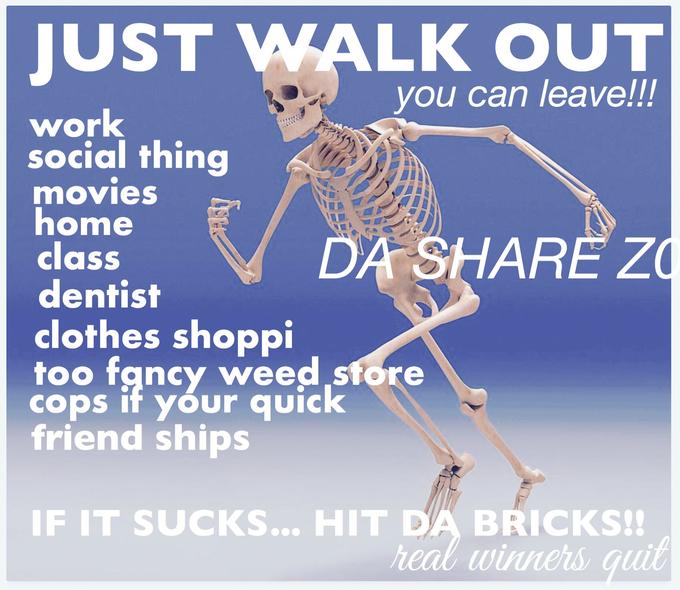
I am a big fan of giving up. We put so much pressure on ourselves to Build A Product, to make the most out of every minute. Reject the idea that your leisure time has to be productive. We already spend such a big part of our lives working for rich old men for little reward. If you aren't enjoying it, find something else to do. (Maybe do not give up on doing the house chores, though...)
Sorry for the long-ass post. I didn't mean for it to become this Linkedin-style motivational bullet point list. I actually just wanted to talk about my David Lynch game! I wanted validation!! Guess I got carried away. As I said, the first five minutes are the hard part. After that, you're just having fun.
Go and have fun. I'd love to see the cool things you make :)